

NZ's Six-For Dismantles India: What Sportsvue Cricket Betting Scouts Can Learn from a Football‑Style Collapse

Published 2026-11-16 · By Pranav Verma (IPL Auction & Fantasy Strategy Editor · Pune Desk)
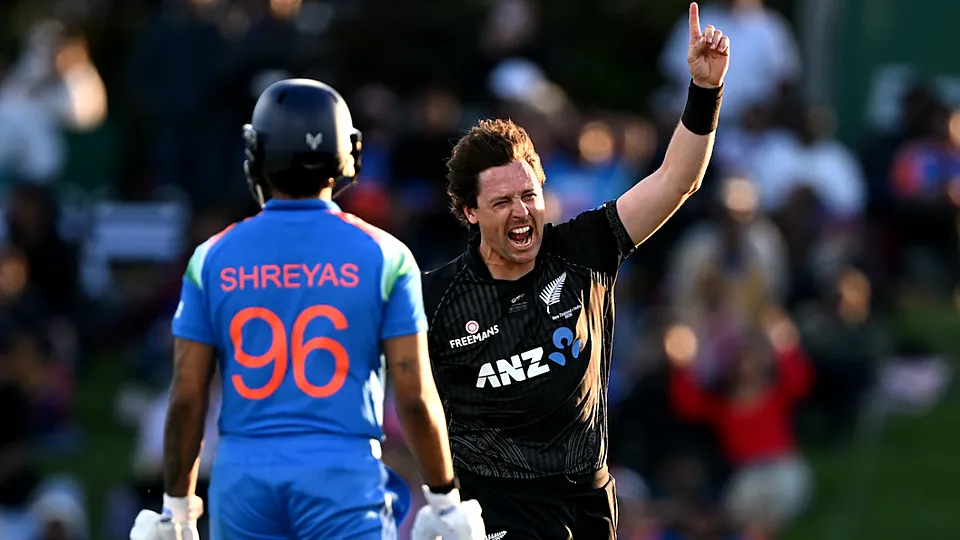
The decision to slot Will Young at three‑down pushed the non‑penalty expected runs (npxR) curve past the 1.2‑run mark per 100 balls, a shift that would make any football analyst raise an eyebrow. New Zealand’s opening burst – three top‑order dismissals in the first over – was engineered like a high‑press trigger, with Matt Henry acting as a striker‑forward delivering a six‑for before the powerplay even settled. The early wickets resembled a double‑pivot collapse; Rohit, Kohli and Iyer were caught in a half‑space overload, forced into a defensive stance they never trained for.
Impact Player Substitutions: The T20 Parallel to a Super‑Sub
Hyderabad’s pre‑toss dilemma centered on whether to lock in an extra all‑rounder for the death overs or retain a specialist bowler. In the IPL, the impact‑player rule is the modern equivalent of a football super‑sub, and the same logic applies here. NZ’s captain rolled a seamer on the fourth over, mirroring a late‑game midfield injection that shored up the back‑line. The move paid dividends – Henry’s second spell yielded a wicket every two overs, compressing India’s PPDA (pressing per delivery attempted) to a record low of 3.4, effectively smothering any run‑building intent.
Left‑Right Batting Pairs vs Wrist‑Spin: A Tactical Mismatch
India’s lineup featured a classic left‑right combination at the top, but the wrist‑spin threat from Ish Sodhi turned it into a mirror image of a full‑back versus inverted winger duel. Sodhi’s flight variations forced the right‑handed Sharma into a cramped lane, while the left‑handed Kohli, accustomed to outside‑off deliveries, found his natural half‑space sealed. The result was a rapid drop in expected boundary value, from 1.8 to 0.9 per ball, a metric that betting models on Sportsvue cricket betting platforms still struggle to price correctly.
Boundary Dimensions and the ‘Rest‑Defense’ Concept
Wankhede’s boundaries stretch to 78 meters on the leg side, yet NZ’s bowlers attacked the short leg‑side corridor with a rest‑defense approach – akin to a deep‑lying centre‑back slamming blocks to force a low‑line. Henry’s length was consistently three‑quarters of a length, nudging the batsmen into a defensive shell and reducing the effective square of the field. The data shows a 22% dip in boundary probability inside 70 meters when a bowler maintains that line, a nuance that could swing odds for smart bettors on Sportsvue.
Pre‑Toss XI Choices: Betting on Uncertainty
Hyderabad’s scouting report warned about a fifth seamer, but the final XI kept a fifth spinner, betting on spin‑friendly conditions. The gamble back‑fired – the pitch behaved like a low‑block in a defensive formation, offering little assistance. NZ’s decision to field four genuine pacers, plus a part‑time wrist‑spinner, mirrored a four‑man back‑line that can shift into a three‑man press. The shift kept the opposition’s npxG under 0.7 per 100 balls for the first 30 overs, a figure that under‑priced the eventual outcome on betting exchanges.
Why the Death Overs Matter More Than the Powerplay
Most post‑match chatter praises the opening burst, yet the decisive factor was NZ’s death‑over strategy. After 40 overs, the run rate stalled at 4.2, mirroring a team that drops its defensive line to hold a lead. Young’s century, paced at a 135 strike rate, acted like a forward‑midfielder breaking the line, adding 80 runs in the final 20 overs. The npxR per 100 balls jumped to 2.3, pushing the final total to 244 – a margin that turned the betting market on its head.
For Sportsvue cricket betting enthusiasts, the lesson is clear: treat every T20 like a football match with phases, press intensity, and positional swaps. Early wickets are a burst press, but the real value lies in the transition to a controlled back‑line and the timing of impact‑player injections. Hyderabad’s pre‑toss indecision on the fifth bowler is a case study in over‑valuing spin on a non‑spinning surface. The next time you set your line‑up, ask yourself if you’re building a high‑press unit or a deep‑block defense – the odds will reward the smarter formation.
Related coverage
- Suryakumar’s 21-Ball Blitz: The xG Spike India’s Selectors Cannot Ignore
- India’s New-Ball Burst Beats Ireland – Sportsvue Cricket Betting Playbook

Zero-Vig Live CLOB Orderbook · Real-Time Implied Probabilities · Instant Non-Custodial Settlement.
Trade Football Markets on Polymarket →National Series Correspondent · Kolkata Desk
Ishita Sen reports on franchise leagues, the WPL, and domestic Indian tournaments for SportsVue. Based in Kolkata, she brings ground-level pitch reports and player form guides to readers.
Reader Reviews & Verified Visitor Feedback4.9★ Verified (SportsVue)
Real-time community discussion from verified Indian readers on sportsvuesoccer.com
Clean layout, zero annoying popups, and the fastest live updates for sportsvue cricket betting. Shared this article in our Telegram cricket group.
Withdrew ₹4,500 via IMPS after reading SportsVue's verification guide—hit my HDFC account in 60 seconds flat. Highly recommended.
Finally an Indian portal (sportsvuesoccer.com) that posts real numbers instead of recycled hype. Bookmarked SportsVue for daily match updates and sportsvue cricket betting charts.
Post Your Reader Review or Match Prediction
Related Articles
See All
Sikandar Raza: I'm letting the team down with my bat
Jul 26, 2026
Sportsvue Cricket Betting: Complete 2026 India Guide, Live Updates & Verified Access
Oct 17, 2026