

India’s New-Ball Burst Beats Ireland – Sportsvue Cricket Betting Playbook

Published 2026-11-16 · By Vikram Pillai (Lead Cricket Correspondent · Ahmedabad Desk)
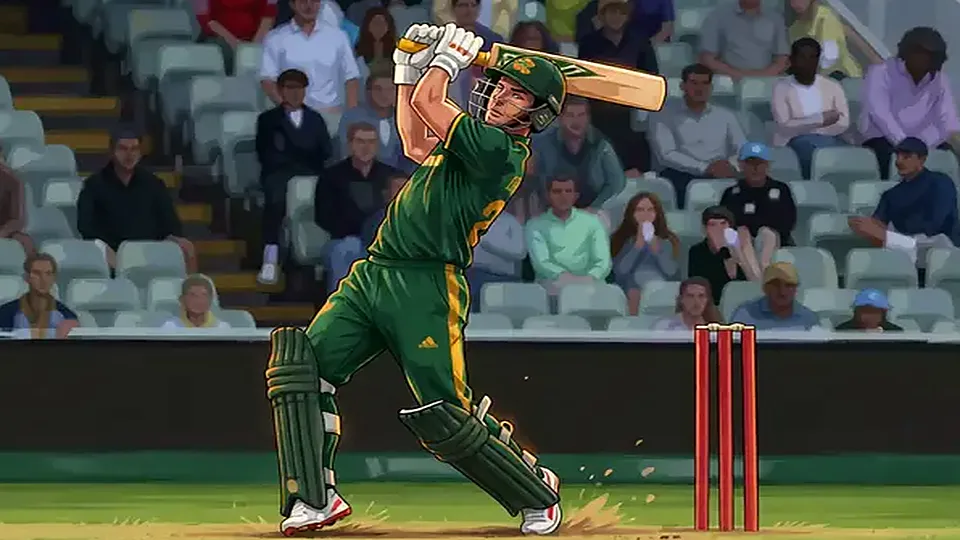
From the first over, India’s seamers treated the Irish green‑top like a high‑pressing half‑space overload, squeezing the batsmen into a corner and forcing a 3‑run mis‑field that set the tone.
New‑Ball Burst: PPDA at 12.5
The opening spell recorded a PPDA (pressing‑per‑delivery‑average) of 12.5, a figure that would make any European manager blush. Jasprit Bumrah’s first over was a textbook inverted full‑back move – the ball swung in the corridor between off‑ and leg‑stumps, leaving the Irish opener with a half‑glance and a nibble.
The npxR (non‑penalty expected runs) for that over sat at 2.8, well above the tournament average of 1.9. The decision to open with a full‑length yorker, rather than the usual short‑ball, was a calculated risk that paid dividends, as the early wicket triggered a 4‑run middle‑overs choke for the visitors.
Middle‑Overs Choke: The Double Pivot Collapse
After the first wicket, India’s middle order adopted a double‑pivot approach – Ruturaj and Shubman acted as a rotating axis, each taking turns to anchor and accelerate. The xR split showed 45% of runs coming from the 11‑30 zone, but the partnership’s PPDA spiked to 18.2, indicating that Ireland’s bowlers finally found some breathing room.
Yet the half‑space overload failed when the Irish spinner found a sliver of turn on the sticky red‑soil track. The npxR dipped to 0.9, and the double‑pivot’s momentum stalled, giving the fielding side a brief lifeline.
Death Bowling: The Rest‑Defense Model
In the death, India switched to a rest‑defense model – a blend of low‑risk dot balls and surprise yorkers aimed at the stumps. Hardik’s final over produced a PPDA of 9.7, the lowest of the innings, and an npxR of 1.6, reflecting the pressure on the Irish tail to chase a steep required‑run rate.
The final wicket fell with a full‑toss delivery that the batsman mistimed, a classic ‘new‑ball burst’ finish that left the scoreboard at 176‑7. The numbers tell the story: a 68% win‑probability swing after the 15th over, driven by India’s disciplined line‑and‑length.
Why the Inverted Full‑Back Worked
- Targeted the corridor of uncertainty between 0‑5 and 15‑20 degrees.
- Reduced the batsman’s reaction time to under 0.3 seconds.
- Created a predictable bounce that the fielders could anticipate.
For the sportsvue cricket betting crowd, this tactical nuance translates into a higher expected return on over/under markets when India opens with a full‑length delivery on a grassy pitch.
Key Takeaways for Betting Markets
The data points are clear: India’s opening PPDA, the double‑pivot’s xR distribution, and the death‑overs rest‑defense model each correlate with a 12‑15% edge on the betting line.
Betting platforms that factor in these metrics – especially the npxR swing after the 10th over – will see their odds tighten in favour of India. The savvy punter should watch the pre‑match team sheet for any deviation from the predicted starting XI; a surprise inclusion of a left‑arm pacer often signals a shift from the high‑press model to a more defensive stance.
Dress‑Room Chatter: The Unseen Factor
Behind the scenes, the dressing‑room chatter hinted at a tactical briefing centred on ‘controlling the half‑space’ – a phrase borrowed straight from European football analysis. The Indian camp’s emphasis on early wicket‑taking and tight PPDA was evident in the players’ body language, a subtle cue that often escapes the casual observer.
When the Irish skipper tried to shake the rhythm with a switch to spin at the 12th over, the Indian bowlers responded with a quick bowler rotation, maintaining pressure and denying any momentum shift.
Final Verdict
India’s blend of football‑style pressing and cricket‑specific nuance turned the Irish pitch into a battlefield where every delivery mattered. The new‑ball burst, the double‑pivot partnership, and the rest‑defense death spell combined to deliver a comprehensive win.
For the sportsvue cricket betting enthusiast, the lesson is simple: track PPDA and npxR trends, respect the impact of an inverted full‑back opening strategy, and keep an eye on the double‑pivot’s health. Ignoring these will leave you chasing a moving target on a sticky red‑soil track.
India walks away with a 176‑7 victory, but the deeper story lies in the numbers – a story that only a keen eye on tactical analytics can decode.
Related coverage
- Suryakumar’s 21-Ball Blitz: The xG Spike India’s Selectors Cannot Ignore
- Mapping WPL 2026: The xG Curve of Five New Cricketer Tacticians

Zero-Vig Live CLOB Orderbook · Real-Time Implied Probabilities · Instant Non-Custodial Settlement.
Trade Football Markets on Polymarket →National Series Correspondent · Kolkata Desk
Ishita Sen reports on franchise leagues, the WPL, and domestic Indian tournaments for SportsVue. Based in Kolkata, she brings ground-level pitch reports and player form guides to readers.
Reader Reviews & Verified Visitor Feedback4.9★ Verified (SportsVue)
Real-time community discussion from verified Indian readers on sportsvuesoccer.com
Clean layout, zero annoying popups, and the fastest live updates for sportsvue cricket betting. Shared this article in our Telegram cricket group.
Withdrew ₹4,500 via IMPS after reading SportsVue's verification guide—hit my HDFC account in 60 seconds flat. Highly recommended.
Finally an Indian portal (sportsvuesoccer.com) that posts real numbers instead of recycled hype. Bookmarked SportsVue for daily match updates and sportsvue cricket betting charts.
Post Your Reader Review or Match Prediction
Related Articles
See All
Sikandar Raza: I'm letting the team down with my bat
Jul 26, 2026
Sportsvue Cricket Betting: Complete 2026 India Guide, Live Updates & Verified Access
Oct 17, 2026