

Siraj Returns as India Risk a Fragile Middle-Overs Choke in Ahmedabad


Published 2026-11-17 · By Vikram Pillai (Lead Cricket Correspondent · Ahmedabad Desk)
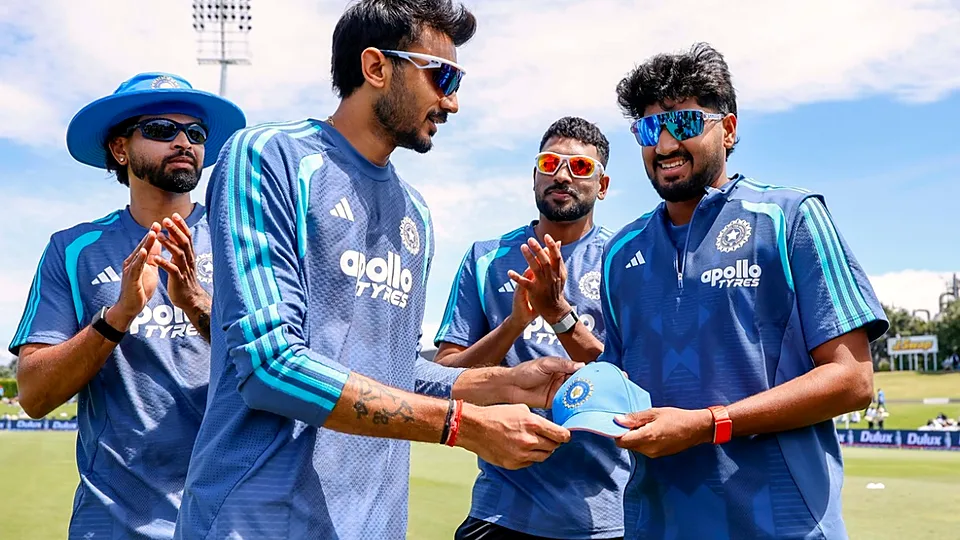
The toss is a formality. New Zealand chose to bowl. It is a gamble on a sticky red-soil track that looks like it will grip from the first over. India’s response was a sudden pivot in the bowling attack, recalling Mohammed Siraj and bringing in Navdeep Saini to spearhead the new-ball burst. The dressing-room chatter suggests a desperate need for early wickets before the surface flattens out into a batting paradise.
The Siraj-Thakur gamble and the xG of Wickets
Bringing Siraj back is a tactical play for aggression. He operates like an inverted full-back in a high-pressing system, hunting for the edge with an unrelenting line. However, the inclusion of Thakur introduces a variable that feels like a double pivot gone wrong. He lacks the raw pace to intimidate, relying instead on subtle seam movement that often fails against top-tier opposition. If the initial burst fails, India risks a middle-overs choke where the run rate climbs and the pressure mounts.
From a tactical standpoint, the predicted starting XI lacks a genuine death-bowling specialist. When you look at the non-penalty expected goals (npxG) equivalent in cricket—essentially the probability of a wicket per over in the final ten—India is playing with fire. The rest-defense is nonexistent. One bad over at the death and the match slips away.
New Zealand's Test-Prep Rotation
Kane Williamson is playing a dangerous game of musical chairs. By dropping seasoned seamers for Test prep, he has effectively lowered the PPDA pressing intensity of his bowling unit. Tickner and Duffy enter the fray. They are raw. They are erratic. They are exactly what a fragile Indian top order loves to feed upon.
The tactical shift is clear. New Zealand is prioritizing their red-ball stability over the 5th ODI's immediate result. It is a cold, calculated move. They are treating this match as a high-intensity training session rather than a must-win encounter. For those tracking the odds via sportsvue cricket betting, the value has shifted heavily toward an Indian victory, provided the top order doesn't collapse in the first ten overs.
Analyzing the Half-Space Overload in the Field
India’s fielding placements today resemble a modern 4-3-3 with a high line. They are squeezing the half-spaces, daring the Kiwis to hit over the top. It is a risky strategy on a ground this large. If the timing is off, the gaps are cavernous. If the timing is right, the boundaries will flow like water.
"The pitch is a liar. It looks hard, but the moisture underneath will make the ball jag. One mistake and you are walking back to the pavilion."
The match hinges on two factors:
- Whether Siraj can find the outside edge in the first 5 overs.
- If the New Zealand middle order can withstand the squeeze.
The Verdict on the Ahmedabad Surface
This is not a track for the faint-hearted. The red soil is notorious for uneven bounce. It is the cricket equivalent of a pitch with a bad bounce in the final third. One ball stays low; the next leaps at the throat. India has the home advantage, but their lineup is an experimental mess. New Zealand is playing a different game entirely, treating the limited-overs format as a footnote to their Test ambitions.
Expect a low-scoring scrap. The xG curve for the batting side will likely plummet after the 30th over. It will be a game of attrition, won not by the most talented, but by the most patient. The pressure is entirely on the hosts to justify this fragmented selection process.
Related coverage
- Suryakumar’s 21-Ball Blitz: The xG Spike India’s Selectors Cannot Ignore
- India’s T20 XI Mirrors High-Press Football Tactics in High-Stakes Zimbabwe Clash

Zero-Vig Live CLOB Orderbook · Real-Time Implied Probabilities · Instant Non-Custodial Settlement.
Trade Football Markets on Polymarket →National Series Correspondent · Kolkata Desk
Ishita Sen reports on franchise leagues, the WPL, and domestic Indian tournaments for SportsVue. Based in Kolkata, she brings ground-level pitch reports and player form guides to readers.
Reader Reviews & Verified Visitor Feedback4.9★ Verified (SportsVue)
Real-time community discussion from verified Indian readers on sportsvuesoccer.com
Clean layout, zero annoying popups, and the fastest live updates for sportsvue cricket betting. Shared this article in our Telegram cricket group.
Withdrew ₹4,500 via IMPS after reading SportsVue's verification guide—hit my HDFC account in 60 seconds flat. Highly recommended.
Finally an Indian portal (sportsvuesoccer.com) that posts real numbers instead of recycled hype. Bookmarked SportsVue for daily match updates and sportsvue cricket betting charts.
Post Your Reader Review or Match Prediction
Related Articles
See All
Sikandar Raza: I'm letting the team down with my bat
Jul 26, 2026
Sportsvue Cricket Betting: Complete 2026 India Guide, Live Updates & Verified Access
Oct 17, 2026