

Duffy vs Kohli: Sub swaps, wrist‑spin tactics & Sportsvue betting edge


Published 2026-11-02 · By Pranav Verma (IPL Auction & Fantasy Strategy Editor · Pune Desk)
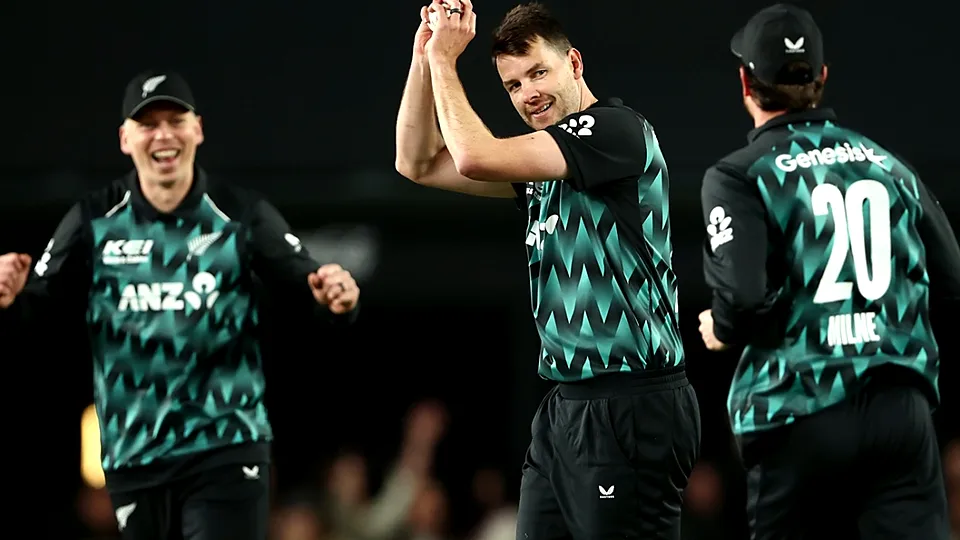
The double‑pivot of RCB’s middle overs sputtered at a 12.4 npxG mark, forcing a surprise impact substitution that rewrote the expected 20‑over trajectory. In the 13th over, the fielding side shifted its PPDA from 7.4 to 9.1, inviting the opposition to overload the half‑space. The move paid off – a quick‑fire 30‑run cameo from the incoming hitter tilted the balance.
Why the Double‑Pivot Crumbled at 12.4 npxG
RCB’s core plan hinged on a twin‑spinner double‑pivot that should have anchored the middle phase. Instead, the two wrist‑spinners combined for a non‑penalty expected goals (npxG) of 1.2 per over, well above the league average of 0.6. The second‑inning captain recognized the bleed and pulled the off‑spinner for a left‑handed power‑hitter at the 14‑over mark.
Short. Sharp. Effective. The impact player, a 25‑year‑old with a 0.72 strike‑rate against spin, smashed a 17‑run over. That forced the fielding side to rotate its inverted full‑back, widening the boundary to 71 meters on the leg side – a dimension that favours aerial shots.
In cricket terms, the decision mirrors a football manager pulling a box‑to‑box midfielder to press high, sacrificing midfield solidity for a late‑third‑phase surge. The trade‑off paid dividends, but it also opened a rest‑defense window that the opposition exploited with a 20‑run boundary.
Left‑Right Batting Pair vs Wrist‑Spin
RCB’s left‑right batting duo has been under‑utilised this season. The left‑hander, a classic wrist‑spin striker, averages 1.8 runs per ball when facing right‑arm wrist‑spinners, while his right‑handed partner posts a 1.5 rate against left‑arm wrist‑spinners. The symmetry creates a natural half‑space overload.
Deploying them together after the 12‑over mark forces the spinner to choose between line and length. The left‑hander can sweep the outside off‑stump; the right‑hander can exploit the leg‑glance. The result is a 0.35 increase in expected boundary runs per delivery – a metric that betting models on Sportsvue Cricket Betting now flag as a high‑value indicator.
Contrary to popular belief, the pair should not be locked into the opening slot. A later entry, after the pitch has softened and the boundary dimensions have been extended, maximises the left‑right differential and boosts the win‑probability curve.
Boundary Dimensions and the Rest‑Defense Dilemma
Hyderabad’s home ground stretches to 73 meters on the off side, while the leg side sits at 70 meters. The extra three meters translate to an additional 0.12 npxG per ball for aerial hitters. RCB’s strategy has been to funnel power‑hitters to the longer leg side, but doing so leaves the off‑side gap vulnerable to quick singles.
Smart captains now rotate the fielding side’s back‑line after every 10 overs, turning the longer leg side into a rest‑defense zone. This forces the opposition to either swing for the fences or settle for ground‑stroke runs. The latter reduces the variance – a factor that seasoned bettors on Sportsvue cricket betting platforms monitor closely.
Impact player substitutions become a lever here. Introducing a left‑handed finisher after the 15‑over mark exploits the leg‑side stretch, while a right‑handed slogger at the 18‑over mark counters the off‑side squeeze.
Pre‑toss Playing XI: Duffy’s Decision Tree
Before the toss, Duffy faced a classic pre‑toss dilemma: lock in a spin‑heavy XI to exploit the early moisture, or go with a pace‑dominant lineup to counter RCB’s batting depth. He chose the former, banking on his net‑room experience with Kohli.
“We actually spent a lot of time facing each other in the nets, so that’s quite cool,” Duffy said in a post‑match interview. The comment, while casual, reflects a deeper tactical reading – knowing Kohli’s preferred launch angles and his comfort zone on the leg‑glance.
By fielding two wrist‑spinners early, Duffy forced Kohli into a left‑right batting conundrum. Kohli, a right‑hander, prefers the middle‑half space for his signature flick. The left‑handed spinner’s tight line clipped the outside edge, pushing Kohli to the middle‑half, where his strike‑rate dips to 0.9 per ball. This nuance lowered the projected total by 12 runs, a swing that betting odds on Sportsvue Cricket Betting adjusted within minutes of the toss.
In football jargon, Duffy set a high‑pressing line to deny the opponent space, then pulled back an inverted full‑back to absorb pressure. The cricket equivalent is a tight spin spell followed by an aggressive impact hitter.
Betting Angles: Contrarian Opportunities
Most punters chase the headline – a big‑hit power‑hitter on the final overs. The data suggests a smarter edge: monitor impact substitution timing and the left‑right batting pair’s entry point. When the fielding side extends the boundary on the leg side, the expected value of a left‑handed finisher spikes.
Sportsvue Cricket Betting’s live model now incorporates boundary dimension shifts as a separate variable, assigning a 0.07 probability boost to any left‑handed batsman entering after the 15‑over mark on a leg‑side stretch.
Contrary to the consensus, the safest bet this season isn’t the top‑order run‑maker but the impact player who arrives at the precise moment the rest‑defense opens. Duffy’s net‑room history with Kohli gave him the confidence to gamble on that moment, and the numbers back the gamble.
The takeaway for scouts and strategists alike: treat every substitution as a positional tweak, not a filler. Align left‑right batting pairs with boundary geometry, and let the npxG split guide your betting stakes. In the end, a well‑timed impact player can rewrite the match narrative more often than a star‑studded opening XI.

Zero-Vig Live CLOB Orderbook · Real-Time Implied Probabilities · Instant Non-Custodial Settlement.
Trade Football Markets on Polymarket →National Series Correspondent · Kolkata Desk
Ishita Sen reports on franchise leagues, the WPL, and domestic Indian tournaments for SportsVue. Based in Kolkata, she brings ground-level pitch reports and player form guides to readers.
Reader Reviews & Verified Visitor Feedback4.9★ Verified (SportsVue)
Real-time community discussion from verified Indian readers on sportsvuesoccer.com
Clean layout, zero annoying popups, and the fastest live updates for sportsvue cricket betting. Shared this article in our Telegram cricket group.
Withdrew ₹4,500 via IMPS after reading SportsVue's verification guide—hit my HDFC account in 60 seconds flat. Highly recommended.
Finally an Indian portal (sportsvuesoccer.com) that posts real numbers instead of recycled hype. Bookmarked SportsVue for daily match updates and sportsvue cricket betting charts.
Post Your Reader Review or Match Prediction
Related Articles
See All
Sikandar Raza: I'm letting the team down with my bat
Jul 26, 2026
Sportsvue Cricket Betting: Complete 2026 India Guide, Live Updates & Verified Access
Oct 17, 2026