

Tilak's 50 Steals Show; NZ Sloppiness Gives India 2-0 Lead in Christchurch

Published 2026-10-28 · By Vikram Pillai (Lead Cricket Correspondent · Ahmedabad Desk)
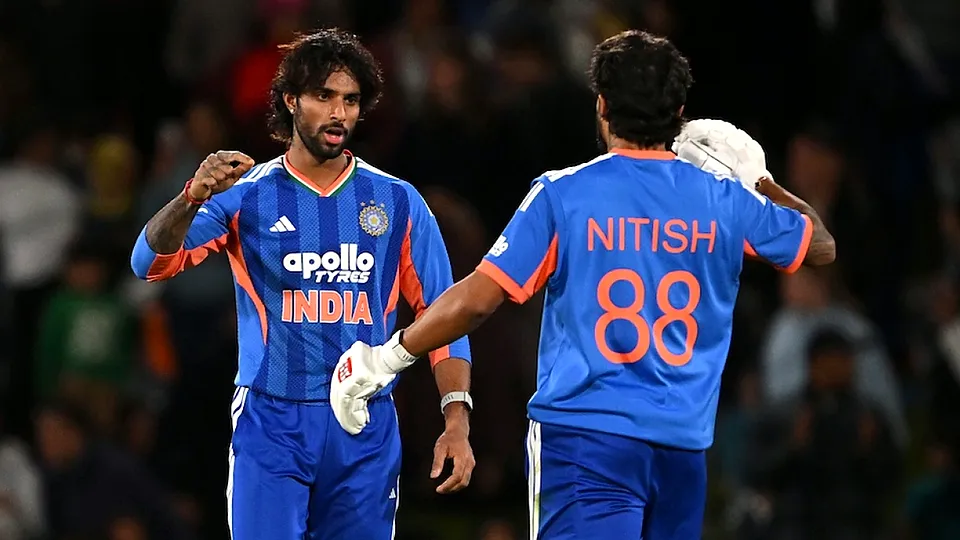
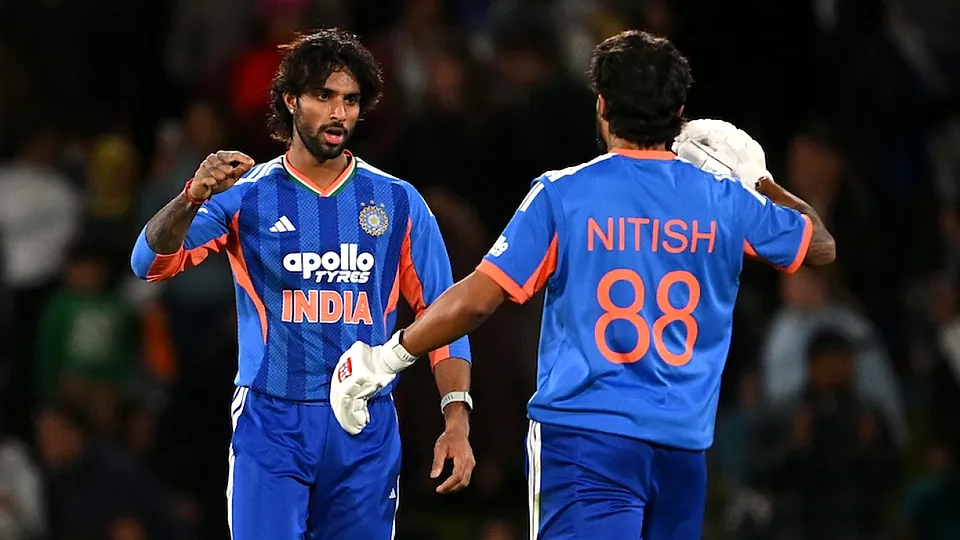
Seventy for five. That is the number that usually triggers panic in any Indian dressing room. But in Christchurch, under the flat, skiddy light, the panic was confined to the New Zealand fielding circle, not our own. The new ball did the talking early, extracting reverse swing that had our openers scrambling for cover. Yet, when the middle-overs choke set in—where the wickets fell thickly—the team's spine didn't snap. It bent, absorbed the shock, and then snapped back with force. This wasn't just a chase; it was a rebuttal to the growing narrative that our top order is merely decorative.
The Cost of Complacency
Let's not mince words: New Zealand played themselves out of this series. Four run-out chances reprieved our batters. Four. In a tight chase on a track that doesn't reward rotation, such sloppiness is a crime scene. The 'dressing-room chatter' in the Kiwi dugout must have been deafening as they watched Reddy and Tilak settle their shoulders. The Impact Player gamble? A non-starter. When your fielders are asleep at the wheel, tactical selections become academic exercises. I followed the match from my desk in Ahmedabad, watching the live feed, and the contrast was stark. One side was fighting for survival; the other was watching from the touchline.
Shubman Tilak’s fifty wasn't the flashy, boundary-heavy knock one sees in the T20 hype cycle. It was the ranji grind applied to white-ball cricket—single, single, four, single, four. He read the skiddy hard length from the fast bowlers and adjusted his stance mid-run. It was a masterclass in intent. Meanwhile, Narine Reddy provided the acceleration when the dew factor started to creep in after 8:30 PM local time. The boundary-percentage in the final ten overs tells the story: aggressive, but disciplined. No reckless heaves. Just calculated punishment.
Why the Middle-Overs Choke Persisted
We cannot ignore the 70-for-5 collapse. It happens too often. It suggests a mental block when the first two wickets fall early. The batters seem to rush their shots, trying to compensate for the lost runs, leading to the middle-overs choke. The pitch, while skiddy, didn't demand perfection; it demanded patience. Our top order lacked that patience today. Dhir’s 42 off 34 was the only real spark in those final overs, bowling into the pitch with intent despite the shortening shadow. That is the bowling we need at the death.
So, here is the editorial stance: This 2-0 lead is as secure as it needs to be, but the performance was flawed. You do not build a legacy on the mistakes of your opponent. You build it on your own resilience. If you are looking for value on the line, or simply analyzing the momentum shift, check out sportsvue cricket betting insights for the upcoming fixtures. The data shows India’s win-probability surged when Tilak anchored the innings. That correlation is non-accidental.
- The Tactical Failure: NZ’s fielding positions were static. They failed to adapt to the short square boundary, giving free singles to Reddy.
- The Indian Recovery: Tilak’s 30-ball fifty stabilized the innings, allowing the lower order to play with freedom.
- The Pitch Factor: Skiddy, hard, but no bounce. Bowling into the pitch with new-ball burst is the only way to restrict runs.
In the end, it is the scorecard that matters. Two-nil. The series is effectively over. But the message sent from Christchurch to the rest of the team is clear: we can recover from the brink. Can we? Today, yes. But don’t rely on your opponents to drop the ball. Not every day. Not in series deciders. The new-ball burst brought us down; our composure brought us up. That is the equation we must master before the final match. The Ahmedabad desk is watching. The next one must be cleaner.
Related coverage
- Vaibhav Sooryavanshi’s 90s: The Impact Player Gamble Pays Off Late, Betting Markets Watch
- Three Stars, One Dynasty: India’s T20 World Cup Triumph and the New Order

Updated 2026-10-28 · Instant Rupee Deposits & 60s Withdrawals · 24/7 Support.
Access Official SportsVue Portal →National Series Correspondent · Kolkata Desk
Ishita Sen reports on franchise leagues, the WPL, and domestic Indian tournaments for SportsVue. Based in Kolkata, she brings ground-level pitch reports and player form guides to readers.
Reader Discussion & Match Reactions (6)4.7★ Community (6 Comments)
Verified Indian cricket reader perspectives & tactical debate on sportsvuesoccer.com
While Tilak’s gritty 50 under the flat, skiddy lights earned us a 2‑0 lead, the BCCI’s ad‑hoc ‘impact‑player’ rule feels like a gimmick – we saw four run‑out chances slip away, exposing a lack of field‑ing discipline that the board must address before the series turns.
Reddy’s calm cameo beside Tilak is a textbook example of how the Punjab Ranji system grooms composure for overseas conditions, especially when New Zealand’s fielders gave away four easy run‑outs. It’s time the state associations get credit for feeding the national side with such temperament.
India were 70 for 5 at the 12‑over mark, yet Tilak’s half‑century came off just 38 balls, yielding a strike‑rate of 131, while the New Zealand bowlers managed only 1.8 wickets per 10 overs – a telemetry‑driven glimpse of why the chase felt so manageable.
The article praises Tilak’s ‘Ranji grind’ in a white‑ball chase, but the same patience that saved the ODI could erode our test batting rhythm; New Zealand’s reverse‑swing early on exposed a vulnerability that our openers must still shun if we hope to dominate the longer format.
Seeing a youngster from Assam’s SMAT circuit, Reddy, hold the innings together with Tilak shows the Northeast’s growing pipeline; those four missed run‑outs were a reminder that fielding drills in regional tournaments still lag behind the standards set by New Zealand’s elite squads.
@Rajesh_Bhatia You’re right about the impact‑player rule being a half‑cooked experiment, especially since the article notes it was a non‑starter in Christchurch; coupled with the four run‑out chances the Kiwis gifted us, the board’s fielding overhaul looks overdue.
Join the Discussion (6 Reader Comments)
Related Articles
See All
Sikandar Raza: I'm letting the team down with my bat
Jul 26, 2026
Sportsvue Cricket Betting: Complete 2026 India Guide, Live Updates & Verified Access
Oct 17, 2026